
Why Every Grandparent Should Take a Newborn Care & CPR Class Before Baby Arrives
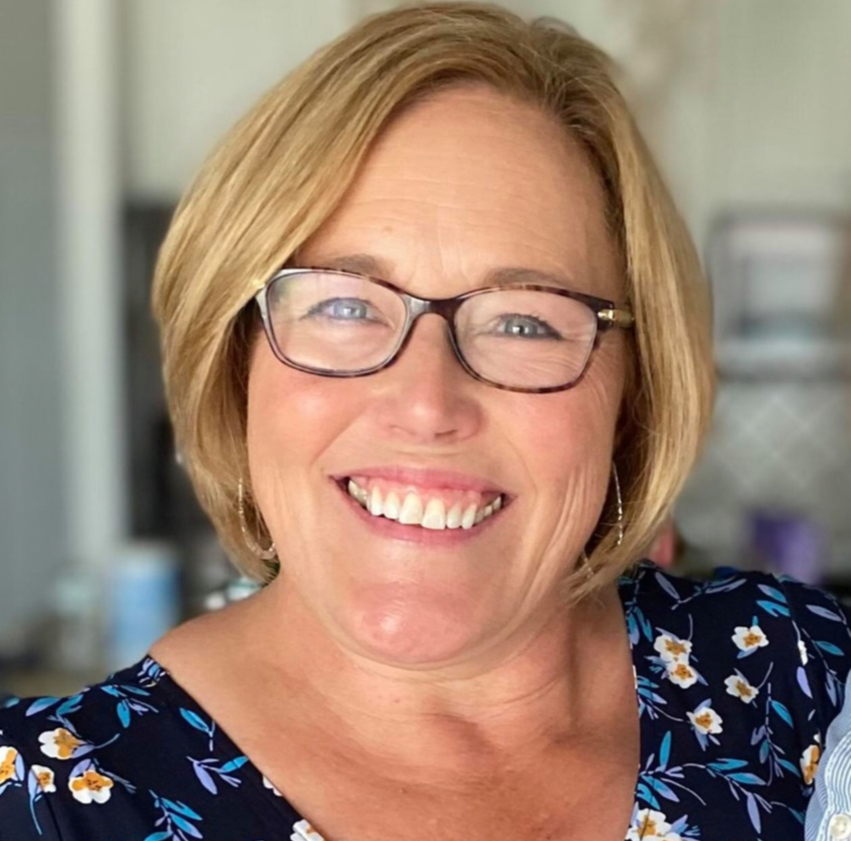

Becoming a grandparent is one of the most exciting times in someone’s life. Not only do you have the joy of welcoming a new, precious baby into your family, but you also get to
watch your own child step into parenthood.
As a grandparent, you raised your child in the best way you knew how; with love, protection, trust, and safety. You learned what worked, relied on your instincts, and did everything you could to keep your child safe.
Welcoming a grandchild can heighten all of those emotions. The love you have for your child and grandchild doesn’t change, but what has changed?
The way we protect and keep our children safe. The love is constant. Safety standards are not.
From safe sleep and car seat recommendations to infant CPR and choking rescue, many of the recommendations you followed as a parent may look very different today.
Taking a class for grandparents isn't about questioning how you raised your own child. It's about learning what has changed, understanding today's safety recommendations, and gaining the confidence to care for your grandchild using the most current information available.
Because when that precious grandbaby is in your arms, you want to be prepared for more than just the cuddles, you want to be prepared to keep them safe.
Baby Safety Has Changed More Than You Think
So, what has changed?
If it has been a few decades since you cared for a newborn, you might be surprised by how much has changed when it comes to infant and child safety. What was considered normal or recommended when you were raising your children may not be what experts recommend today.
Here are just a few of the biggest changes grandparents should know before caring for a new grandbaby.
Safe Sleep Recommendations
Remember when you welcomed your baby and decorated the nursery with crib bumpers, blankets, and stuffed animals? Or when babies were commonly placed on their stomachs to sleep?

Today, safe sleep recommendations are very different.
The American Academy of Pediatrics recommends placing babies on their backs for every sleep, on a firm, flat sleep surface, with no loose blankets, pillows, stuffed animals, or crib bumpers in the sleep space.
SIDS has decreased 50% with Back to sleep other changes. The "Back to Sleep" campaign has significantly reduced the incidence of Sudden Infant Death Syndrome (SIDS). Since its launch in 1994, the campaign has contributed to a decline in SIDS rates by over 50% in the United States. Research indicates that babies placed on their backs to sleep are at a much lower risk for SIDS compared to those who sleep on their stomachs or sides
These recommendations aren't meant to make parenting more complicated. They are based on decades of research into reducing the risk of sleep-related infant deaths.
For grandparents who haven't cared for a newborn in years, reviewing current safe sleep guidelines is an important part of preparing for a new grandbaby.
Car Seat Safety
Car seats have changed significantly over the years, too.
The car seat you used with your own children may look very different from the one your grandchild will use. Recommendations about rear-facing seats, harness fit, installation, and when to transition to the next type of seat have evolved as research and safety standards have changed.
For example, the National Highway Traffic Safety Administration (NHTSA) recommends keeping children rear-facing as long as possible, until they reach the maximum height or weight allowed by their particular car seat. NHTSA also recommends that harness straps fit snugly and that the chest clip sit at armpit level.
If you'll be driving your grandbaby, it's important to learn how to properly use their car seat, not simply rely on what you remember from decades ago. And when it comes to car seat questions, always follow the instructions for the specific car seat and vehicle. Every seat and vehicle combination is different.
Infant CPR & Choking
Would you know what to do if your grandbaby suddenly couldn't breathe? What if they became unresponsive?
These situations are rare, but knowing how to respond in an emergency can make a critical difference. When a life-threatening emergency happens, every second matters. Calling 911 is critical, but emergency responders cannot always arrive immediately. EMS response times vary depending on where you live, traffic, distance, and can be even longer in rural areas.
That's why knowing what to do before EMS arrives is so important. In an emergency, the person closest to the child is often the first person who can take action.
Infant CPR and choking rescue are skills that are best learned through hands-on training, not just by reading about them online. CPR recommendations and techniques can also change as new evidence becomes available. Current American Heart Association guidance includes updated infant CPR techniques and emphasizes beginning CPR promptly when an infant is unresponsive and not breathing normally.

Choking can be especially frightening for a caregiver. Knowing the difference between an infant who is coughing effectively and one experiencing a severe airway obstruction plus knowing what to do in either situation is an important skill for any parent, grandparent, or caregiver.
That's why hands-on practice matters. You don't want your first experience responding to an emergency to be the moment it happens.
And That's Just the Beginning
Safe sleep, car seat safety, and infant CPR and choking are just three of the many topics we cover in Safe Beginnings.
When you're caring for a baby or young child, emergencies don't always look the way you expect them to. That's why our caregiver class goes beyond CPR and covers a variety of common childhood emergencies, injuries, and safety concerns, including:
Fever and when to seek medical attention
Allergies and allergic reactions
Seizures
Broken bones and other injuries
Bleeding and wound care
Falls and head injuries
Common household dangers
Poisoning
And so much more
Our goal isn't to overwhelm grandparents with information or make you feel like you need to memorize everything.
It's to give you the knowledge, hands-on practice, and confidence to know what to do when something unexpected happens.
Why Take a Grandparent Baby CPR & Care Class Before Your Grandbaby Arrives?

You don't need to become a parenting expert all over again. You don't need to memorize every safety recommendation. And you certainly don't need to question the way you raised your own children.
A grandparent class or caregiver class gives you an opportunity to refresh your knowledge, learn current recommendations, practice important emergency skills, and ask questions before you're the one responsible for a little one's safety.
It can also give new parents something incredibly valuable: peace of mind.
Knowing that Grandma, Grandpa, or another trusted caregiver has taken the time to learn current infant and child safety recommendations can make leaving your baby in someone else's care feel a little easier.
A Class Designed for Parents, Grandparents & Caregivers
That's exactly why we created Safe Beginnings.

Safe Beginnings is a hands-on baby safety, CPR, and first aid class for parents, grandparents, and other caregivers. It focuses on the real-life situations you may encounter while caring for infants and children, from choking and CPR to injuries, illnesses, allergies, household dangers, and more.
Whether you're an expecting grandparent, a grandparent who hasn't cared for a newborn in years, or simply someone who wants to feel more prepared when caring for a little one, this class is designed to help you feel confident and ready.
You already have the most important part: the love.
Let us help you add the knowledge and confidence to keep your grandbaby safe.
Ready to Feel Prepared?
If you're welcoming a new grandbaby soon, consider giving yourself something more valuable than another baby blanket or toy.
Give yourself the confidence to know what to do when it matters.
Join us for Safe Beginnings and learn the skills every parent, grandparent, and caregiver should know.
Comments